
Porcelain Veneers vs. Composite Bonding: What's Best for Long-Lasting Smile Improvements?
When you decide to enhance the appearance of your teeth, choosing the right cosmetic treatment is a vital first step. Correcting chips, closing small gaps, or covering severe discoloration can completely transform your confidence and oral health. Two of the most common and effective treatments we offer to achieve these results are porcelain veneers and composite bonding. Both options provide excellent aesthetic improvements, but they serve different needs depending on your goals, budget, and timeline.
We understand that navigating cosmetic dentistry choices can feel overwhelming. Our goal is to provide you with clear, straightforward information so you can make the best decision for your oral well-being. By understanding the core differences between these two treatments, you can feel confident and reassured as you take the next steps toward a radiant, healthy smile.
Durability and Long-Term Lifespan
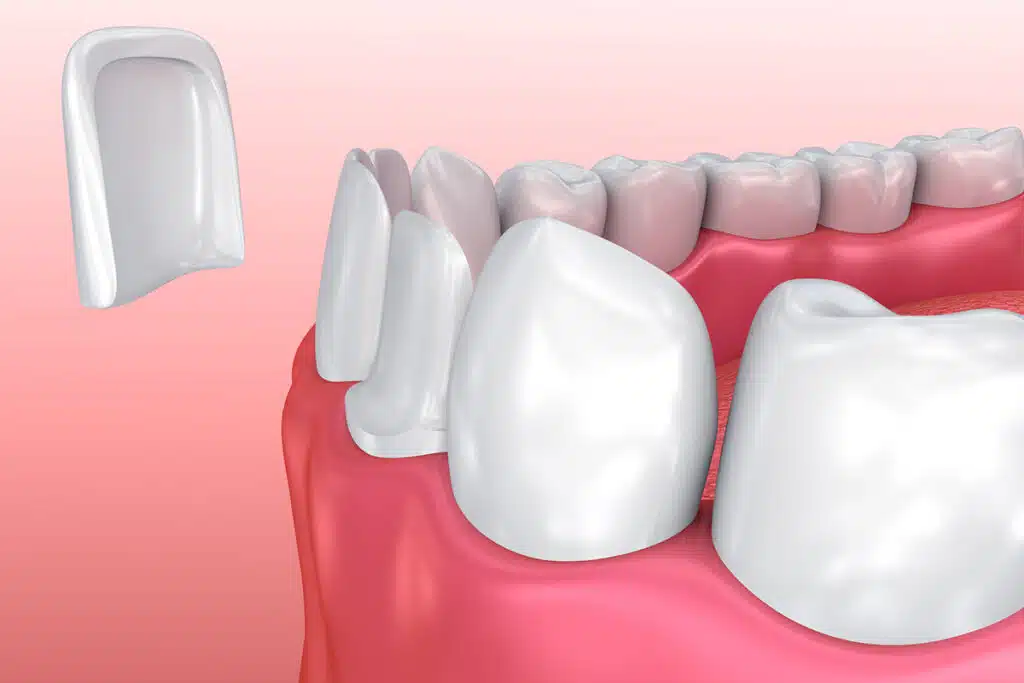
When evaluating longevity, porcelain veneers stand out as the more durable option. These custom-made, wafer-thin shells are crafted from high-quality dental porcelain, a material renowned for its strength. With proper oral hygiene and regular dental checkups, veneers can comfortably last anywhere from ten to fifteen years, and sometimes even longer. The ceramic material easily withstands the daily pressures of biting and chewing, providing you with a reliable and sturdy restoration.
Composite bonding, while highly effective, utilizes a tooth-colored composite resin that is not quite as strong as porcelain. The bonding material is carefully sculpted directly onto your tooth structure to correct minor imperfections. Typically, composite bonding lasts between four and eight years before requiring touch-ups or replacement. While it is a fantastic option for immediate corrections, the resin is more susceptible to chipping and general wear over an extended period.
Treatment Time and Application Process
The procedures for applying veneers and composite bonding differ significantly in terms of time and preparation. Because veneers are meticulously crafted in a dental laboratory to perfectly match your desired tooth shape and shade, the process generally requires two to three visits to our office. During your initial appointment, we gently prepare your teeth by removing a minimal amount of enamel, taking precise impressions, and placing temporary veneers. Once the permanent restorations are ready, you return so we can securely bond them to your teeth.
In contrast, we can usually complete composite bonding in just a single visit. This treatment is highly conservative and often requires little to no removal of your natural tooth enamel. We prepare the tooth surface, apply the composite resin, and then skillfully mold it to the ideal shape. A specialized curing light hardens the material instantly. Afterward, we polish the bonded tooth so it blends seamlessly with your natural teeth. If you are looking for a rapid, same-day transformation, bonding offers unparalleled convenience.
Aesthetics and Stain Resistance
Both treatments deliver beautiful, natural-looking results, but they interact with light and stains differently. Porcelain possesses a translucent quality that closely mimics the enamel of your natural teeth. Because it reflects light in a similar way, veneers offer a highly realistic and vibrant appearance. Furthermore, porcelain is highly resistant to stains. If you enjoy coffee, tea, or red wine, veneers will maintain their bright, brilliant shade much longer without discoloration.
Composite resin also looks fantastic and is carefully color-matched to your surrounding teeth. However, the resin material is somewhat porous. Over the years, composite bonding can absorb stains from heavily pigmented foods, drinks, and tobacco products. While regular brushing and professional cleanings help maintain the color of your bonded teeth, they do not offer the same impermeable stain resistance as porcelain. Over time, you may need a polish or replacement to keep the bonded areas looking as bright as the rest of your smile.
Making the Best Choice for Your Oral Health
Choosing between these two excellent cosmetic treatments ultimately depends on your specific needs, the current state of your teeth, and your long-term aesthetic goals. If you have significant cosmetic concerns, desire exceptional durability, and want a highly stain-resistant solution, veneers represent a worthwhile, long-lasting investment. They provide a comprehensive transformation that can completely revitalize your appearance.
Conversely, if you have minor chips or gaps and prefer a more conservative, single-visit procedure, composite bonding is an outstanding and cost-effective alternative. We are here to listen to your goals, thoroughly examine your teeth, and help you select the treatment plan that best aligns with your lifestyle. Together, we can ensure you achieve a healthy, beautiful smile that you are proud to share.
Frequently Asked Questions About Porcelain Veneers
How long do porcelain veneers last?
With proper daily oral hygiene and regular professional cleanings, your veneers can last between ten to fifteen years. Avoiding habits like biting your nails, chewing ice, or using your teeth to open packaging will help maximize their lifespan.
Does getting veneers hurt?
Your comfort is our top priority. The preparation process involves removing a very thin layer of enamel, and we use local anesthesia to ensure you feel no pain. You might experience mild sensitivity for a few days following the procedure, but this typically resolves very quickly.
Are veneers prone to staining?
No, the high-quality ceramic material used to craft your veneers is non-porous and highly resistant to stains. You can comfortably enjoy your favorite foods and beverages without worrying about your veneers darkening over time.
How do we care for our new veneers?
You care for your veneers just as you care for your natural teeth. We recommend brushing twice daily with a non-abrasive fluoride toothpaste, flossing daily, and attending your routine dental checkups so we can monitor your overall oral health.
Can veneers be repaired if they chip?
While porcelain is incredibly strong, it is not entirely indestructible. If a veneer experiences a significant chip or crack, it generally cannot be patched like composite resin and will typically require a full replacement to restore the structural integrity and aesthetic appearance.
At Elite Family Dental Care, we provide complete oral health services, ranging from general dentistry to cosmetic and restorative treatments for the whole family. Our team of highly trained, experienced, and skilled dentists, hygienists, and assistants strive daily to raise the bar of excellence in dental care. If you are ready to transform your smile with a personalized cosmetic treatment plan, schedule an appointment with our dedicated team today.